Featured
Table of Contents
Search engines are being changed by conversational AI interfaces, with tools like ChatGPT, Claude, Gemini, and Perplexity ending up being go-to resources for details, needing a shift towards Answer Engine Optimization (AEO) and SEO for Big Language Models. Marketers must diversify distribution across several digital environments and enhance particularly for AI-powered search experiences, not just Google or single-channel SEO.
These resources anticipate user concerns and offer reliable answers that AI systems can with confidence reference and mention. Structured Frequently Asked Question Development: Long-tail, conversational keywords are more important than ever, with presence depending upon format and context, including optimizing for AI-ready Q&A. Organizations develop comprehensive frequently asked question databases that resolve customer questions in natural language, optimized for voice search and AI assistant queries.
Brands invest in thought management content, initial research study, and specialist bylined short articles that develop their authority in specific domains. Answer Engine Optimization requires substantial technical modifications to content architecture. Successful implementations include schema markup that helps AI systems understand content context, structure information that makes it possible for rich snippets and featured results, and content formatting optimized for voice search questions.
How Modern PR Is Changing for Success
In 2026, marketing measurement develops from reporting activity to demonstrating clear organization effect. Board-level executives demand analytics that connect every marketing dollar to measurable industrial results, consisting of customer acquisition, retention rates, and development of consumer lifetime worth. Privacy-Safe Measurement Facilities: Leading organizations execute measurement systems that offer precise attribution without jeopardizing consumer personal privacy.
End-to-End Analytics Integration: Advanced measurement platforms link marketing activities to sales results, client service interactions, and long-term retention patterns. This detailed view makes it possible for precise ROI estimation and tactical decision-making based upon complete customer lifecycle data. Visual CX Dashboards: The most effective organizations develop executive dashboards that line up marketing, sales, item, and customer success groups around shared metrics.
Modern attribution systems move beyond basic last-click models to advanced multi-touch approaches that account for complicated consumer journeys. These systems utilize device learning to weigh the impact of touchpoints based on timing, series, and individual customer characteristics. The most sophisticated implementations include offline attribution that links digital marketing activities to in-store purchases, phone queries, and other offline conversion occasions.
As marketing automation abilities expand, regulative scrutiny and customer awareness magnify all at once. Leading brands in 2026 distinguish themselves not only through what they achieve but also through how they operate ethically and transparently. Algorithmic Accountability: Organizations execute clear governance structures for AI-powered marketing systems, ensuring algorithmic decisions can be discussed and examined.
How to Future-Proof Brand Strategy for 2026
Information Use Openness: The most relied on brands offer clear, accessible descriptions of information collection and use practices. They execute granular material management systems that give clients meaningful control over their data while demonstrating the worth exchange involved. Genuine Purpose Integration: Successful brands connect their specified purpose to quantifiable, real-world actions.
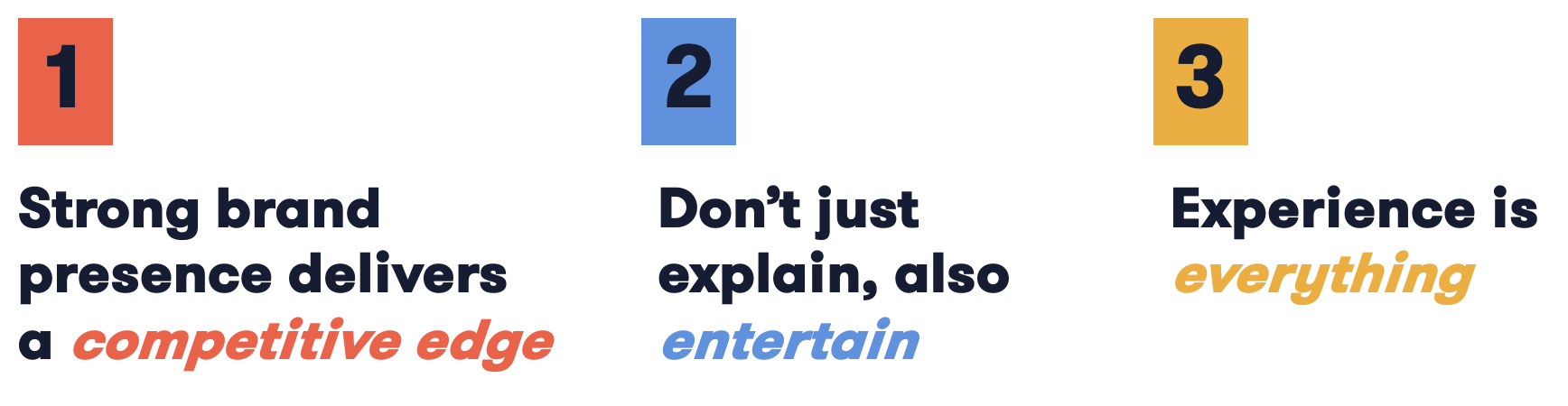
Ethical marketing practices provide measurable organization benefits that extend beyond regulative compliance. Transparent brands take pleasure in greater client trust ratings, longer customer relationships, and more powerful word-of-mouth advocacy. They bring in top talent who wish to work for companies with clear worths and social impact. Most significantly, ethical marketing practices create sustainable competitive advantages that can not be easily duplicated by competitors focused exclusively on short-term outcomes.
Earnings Attribution: Percentage of income precisely credited to marketing activities across all channels and touchpoints. Customer Life Time Value Development: Year-over-year enhancement in client lifetime value, segmented by acquisition channel and customer qualities. Marketing Performance: Consumer acquisition expense patterns relative to competitor benchmarks and hospital efficiency. Brand Name Trust Metrics: Consumer trust scores, Net Promoter Rating patterns, and brand name sentiment analysis throughout digital channels.
At Breathe Purpose Media, we acknowledge that navigating 2026's digital marketing change requires more than trend awareness it demands strategic partnership with experts who understand how to operationalize emerging chances into quantifiable business outcomes. Our extensive approach combines innovative SEO methods enhanced for Response Engine Optimization, AI-powered material production systems, merged analytics platforms, and vibrant leadership models that scale with your development aspirations.
Top PR Trends to Watch in 2026
Unlike companies that chase trends, we build organized abilities that intensify gradually. Our customers don't simply implement brand-new marketing technologies they establish organizational competencies that enable constant adaptation as markets progress. Ready to lead your market in 2026? Arrange a strategic assessment with our professional team to find how Breathe Function Media's integrated approach to digital marketing, public relations, and material technique can change emerging patterns into measurable development for your organization.
With unmatched competence in SEO and omnichannel development techniques, we transform complicated market dynamics into measurable competitive benefits for our customers. From strategic positioning and digital dominance to social media that converts and PR that moves markets we partner with organizations that require quality and leave lasting legacies.
As we approach 2026, online marketers face a landscape specified not simply by innovation, but by how people react to it. Emerging tools like AI and immersive media are reshaping what's possible, however the brands that grow will be those that stabilize data-driven accuracy with emotional intelligence and authenticity. Artificial intelligence has moved beyond buzzword status into everyday marketing facilities.
A chart revealing the development of personalized marketing financial investments vs generic projects over time. Key point: AI personalisation allows brands to reach clients with the best message at the best time, elevating relevance and life time value.
Impact Strategies for the Regional ProfessionalDirect Benefits of Integrating AI Into PR Strategy
Audiences in 2026 anticipate brands to take part in genuine conversation, not broadcast at them. Table comparing brand name engagement metrics (e.g., retention, belief) for community-driven vs traditional broadcast methods.
Key point: Transparency in data collection enhances brand reliability and produces higher-quality customization. Augmented Truth (AR), virtual try-ons, and interactive content are ending up being mainstream methods to connect audiences with items and brand name stories.
Influencer marketing evolves in 2026 from sponsorship to co-creation. Brand names are working together with creators as tactical partners by welcoming them into product advancement, project preparation, and storytelling.
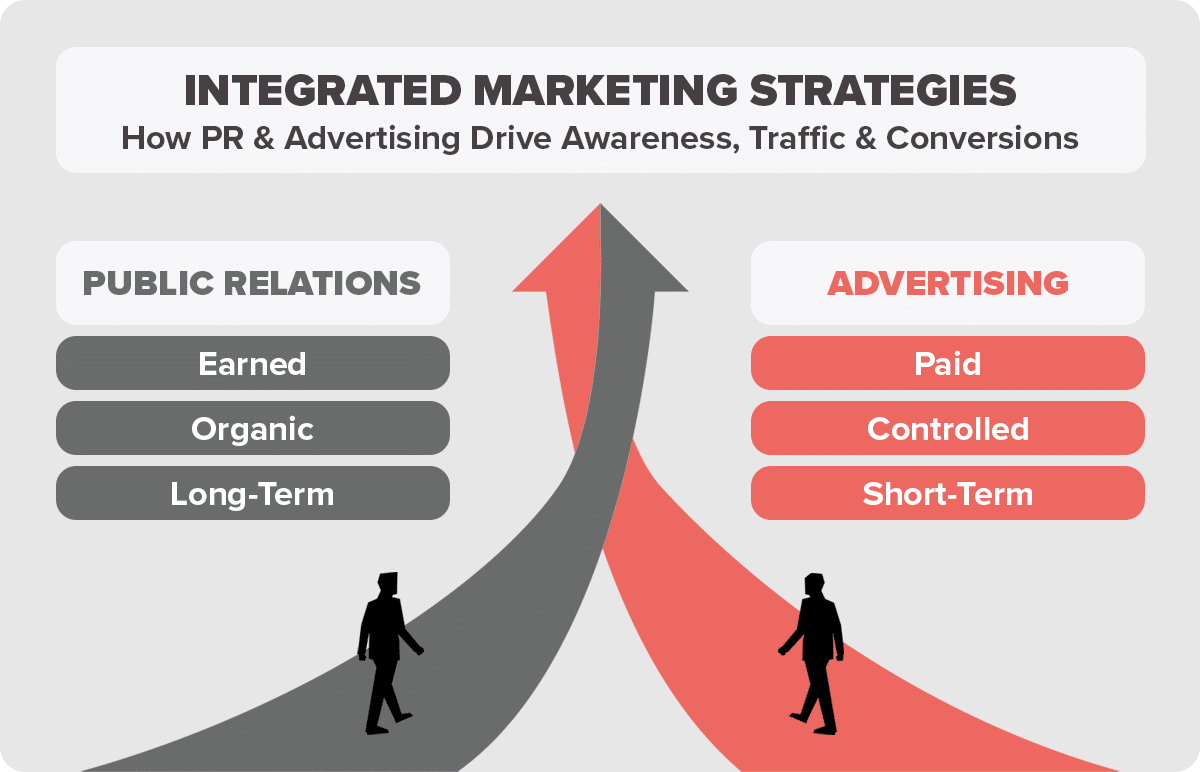
The underlying tactical shift is toward human connection. Brands that utilize technology to boost rather than change genuine interaction will be the ones that flourish. If there's one strong style for online marketers in 2026, it's this: Technology scales your reach; mankind sustains your importance.
This site uses cookies to enhance your experience. We'll presume you're ok with this, however you can opt-out if you wish.Accept Personal Privacy & Cookies Policy.

Latest Posts
Why Executive Leadership Drives Long-Term Authority
Emerging Insights Shaping Public Relations for 2026
The Role of Reputation Management in Digital Growth